The Second Pillar: Genericity
Why learning works at all—and why not all functions are learnable. In our last post, we explored the first pillar of intelligence: Sparse Compositionality. It explains the structure of the functions...
Massachusetts Institute of Technology
At the Center for Biological and Computational Learning (CBCL), we study the theory of learning under physical, computational, and biological constraints. Using a multidisciplinary approach, we investigate when and how learning is possible to better understand the brain and to build better machines.
From the Lab
Why learning works at all—and why not all functions are learnable. In our last post, we explored the first pillar of intelligence: Sparse Compositionality. It explains the structure of the functions...
Why can we understand a complex world? Because much of it is not a random mess—it is a hierarchy of reusable parts. In our last post, we argued that modern AI resembles the period between Volta and M...
Principal Investigator
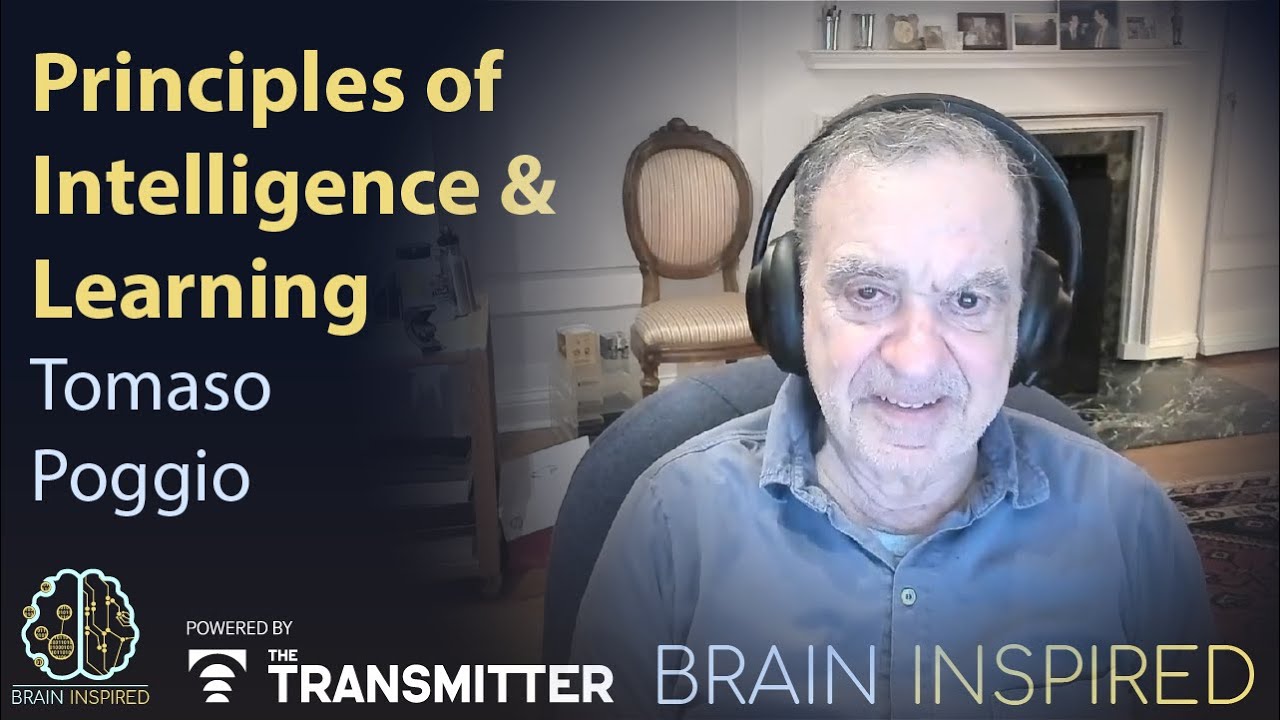
Tomaso A. Poggio is a founder of computational neuroscience. He pioneered models of visual perception, bridged neuroscience and machine learning, and helped establish regularization theory and learning theory in vision. His work now focuses on the mathematics of deep learning and visual recognition. He has founded, advised, or invested in multiple technology companies, including DeepMind and Mobileye, and mentored leaders such as Christof Koch, Amnon Shashua, and Demis Hassabis. Poggio is the Eugene McDermott Professor at MIT and former co-director of the Center for Brains, Minds, and Machines. As of 2024, he stands as the largest individual recipient of NSF AI funding over a 14-year period, responsible for over a quarter of all such funding awarded to MIT.
Research Focus
Foundational research into the mathematical principles of learning and the theoretical boundaries of predictive models.
Analyzing how complex neural networks generalize and the optimization dynamics in high-dimensional parameter spaces.
Exploring novel architectures and training methods that move beyond standard approaches to improve efficiency and robustness.
Investigating how biological systems process information to derive principles for human-like machine intelligence.
Our students and visiting researchers have expertise in physics, computer science, cognitive psychology, and complexity theory.

Researcher

Researcher

Researcher

Researcher

Researcher

Researcher

Researcher

Researcher

Researcher
Publications
Poggio, T.
CBMM Publication
Poggio, T.
CBMM Publication
Dubach, R., Abdallah, M. S. & Poggio, T.
CBMM Publication
Danhofer, D. A., D’Ascenzo, D., Dubach, R. & Poggio, T.
CBMM Publication
Tiwary, K. et al.
arXiv
Latest Updates

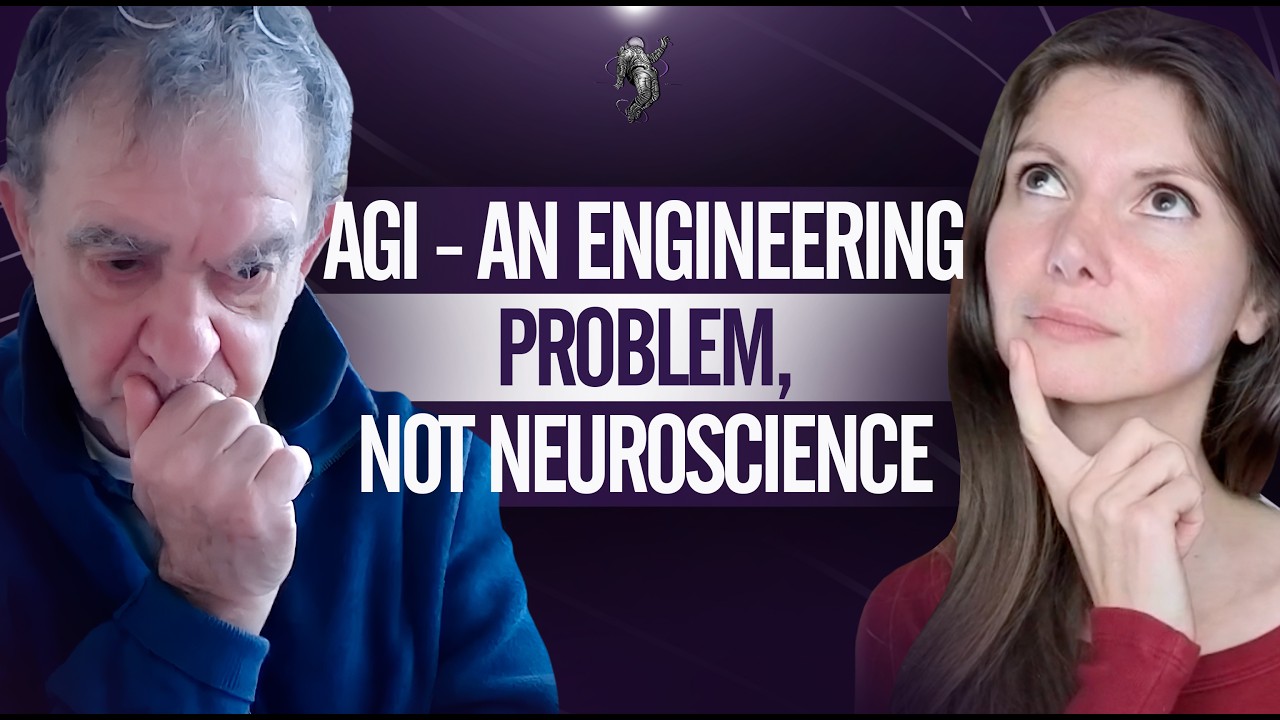
I spoke with Tomaso Poggio about future of AGI, AI’s impact on human society, the signs of sentience in AI, and AI predictions…
(PDF) by Tomaso Poggio, Gemini+ChatGPT. Intelligence and its Fundamental Principles.